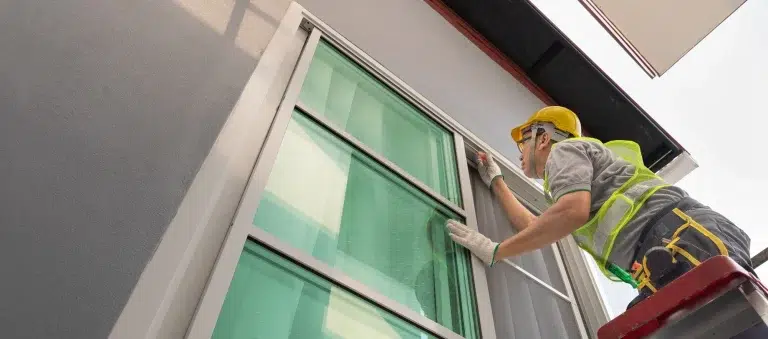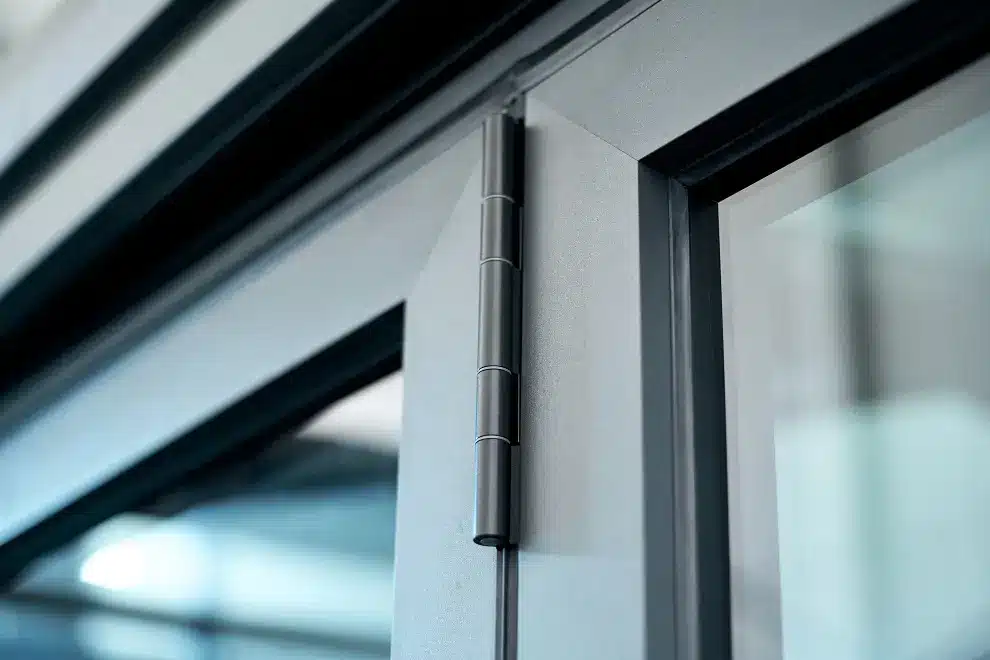
Windows are essential for any home. They provide a beautiful view of the outside world, let in natural light, and maintain the interior’s temperature. Vinyl windows are popular for their durability and low maintenance, but they’re not indestructible. This guide covers how to repair a vinyl window frame — from scratches and cracks to holes and dents — and when to call Apex Window Werks for professional vinyl window repair.
Can Vinyl Window Frames Be Repaired?
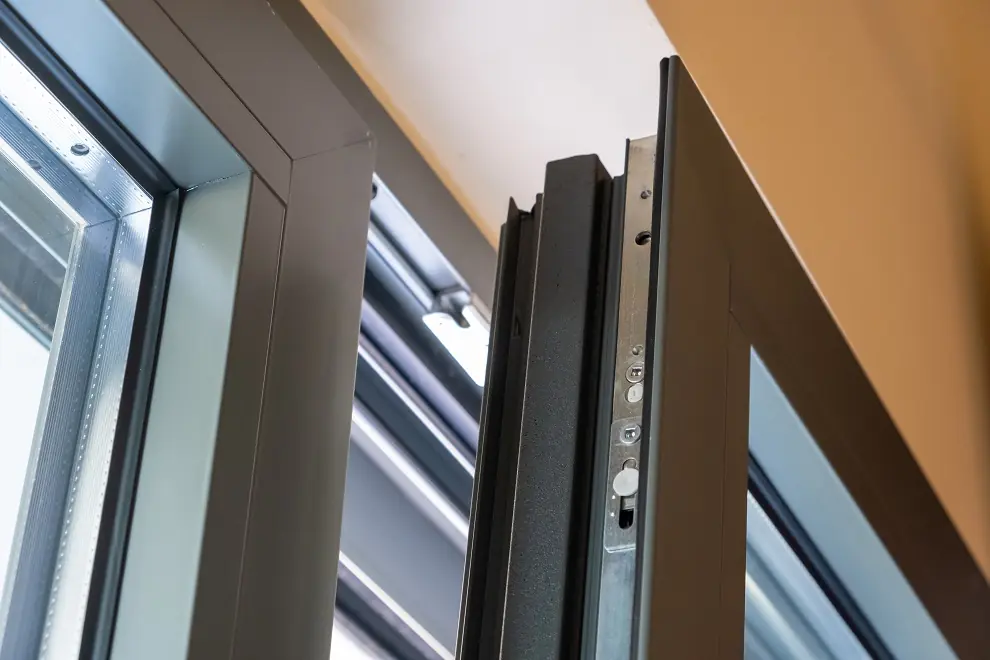
Absolutely! Although vinyl windows are known for their durability, they’re still prone to damage from various factors like weather, accidental impact, or even age. The good news is that most of this damage can be fixed with the right tools and techniques without replacing the entire window.
It’s also worth knowing that repairing is almost always the more affordable path. Many homeowners jump straight to replacement when a targeted fix would have been sufficient, and that’s an easy mistake to avoid once you know what type of damage you’re dealing with.
Common Vinyl Window Frame Problems
Vinyl frames face a range of issues depending on age, climate, and exposure. Here are the most frequent ones:
- Cracks and hairline fractures: These appear from house settling, temperature extremes, or minor impact and, if left untreated, let in air and moisture that drives up heating costs.
- Holes and gouges: Damage from hail, impact, or debris compromises both insulation and security, though it remains DIY-friendly when caught early.
- Dents: Vinyl is a thermoplastic material, so dents from impact can sometimes be reversed with a heat gun rather than filled or patched.
- Surface scratches: Scratches are mostly cosmetic but can make frames look worn and dated, and they rarely require more than a polishing compound.
- Loose or damaged hardware: Worn locks, stiff hinges, and broken cranks often get mistaken for frame problems — always check the hardware before assuming the frame needs work.
- Foggy glass between panes: Condensation trapped between panes signals a seal failure inside the glass unit, not a frame issue, and it requires professional attention.
Most of these problems are repairable without full window replacement — the key is identifying the damage type and acting before it spreads.
What You’ll Need for Repairing Vinyl Window Frames
Most repairs call for a few basic supplies, many of which come in a single kit. Here’s what to have on hand:
- Vinyl repair kit — Patches, adhesive, and a pressing tool (~$14 at most hardware stores)
- Liquid PVC filler for hairline cracks
- Epoxy putty or VinylDoc Kit for holes and gouges
- Heat gun for reshaping dents
- 120–150 medium-grit sandpaper for smoothing cured repairs
- Vinyl-safe polishing compound for restoring a consistent surface finish
- Vinyl-safe paint for color matching after a repair
- Razor blade and clean gloves for trimming excess and keeping surfaces clean
Guide to Repairing Vinyl Windows Yourself
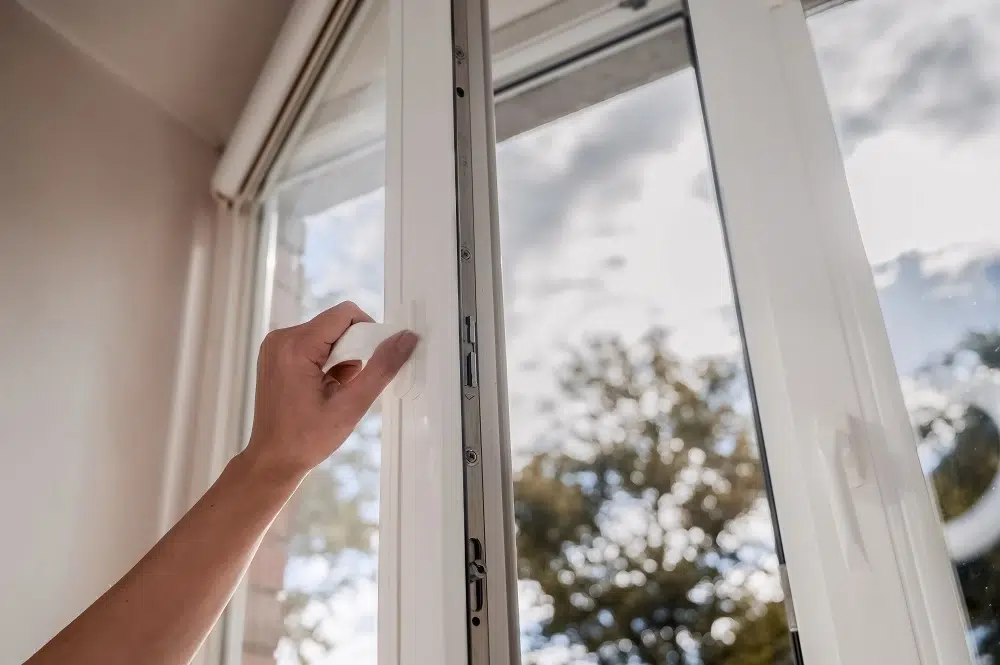
Before you begin, it’s important to assess the damage and ensure you have the right tools for the job. If you notice damage on one window, check the rest of the house at the same time — it’s more efficient to handle everything in one session, and you can calculate how much material you actually need. Start repairs in the evening or on an overcast day, since adhesive and filler need around 24 hours to cure and direct sunlight can cause warping before everything sets.
Repairing Hairline Cracks with Liquid PVC
Hairline cracks are the most common vinyl frame issue and also the most straightforward to fix.
- Clean the area first: Insert a thin metal tool like a file or pocketknife into the crack to clear trapped dirt, then wipe down with a damp cloth and let dry.
- Apply Liquid PVC filler: Wearing clean gloves, fill the crack and use a putty knife to spread it evenly and remove any overflow.
- Let it cure: Leave the repair untouched for a full 24 hours.
- Sand and finish: Scrape away excess with a razor blade, sand smooth with 120-grit sandpaper, then apply a scratch remover compound and polish to blend with the surrounding frame.
Repairing Holes and Gouges
Holes require a two-patch approach — one anchors from the inside, one closes the surface.
- Prep the edges: Sand any rough spots around the hole with 120 or 150-grit sandpaper.
- Cut a clean opening: Outline the damaged area with a pencil and trim it to a clean shape with a razor blade, going only as deep as the vinyl itself.
- Cut two patches: One slightly larger than the opening for the inside, and one that fits the surface exactly.
- Set the inner patch: Insert the larger patch inside the hole and coat both faces with adhesive.
- Apply the surface patch: Press the exact-fit patch firmly over the opening, seal the edges with adhesive, and wipe away any excess.
- Cure and finish: Let it dry for 24 hours, then scrape, sand, and polish as above.
Reshaping Dents with a Heat Gun
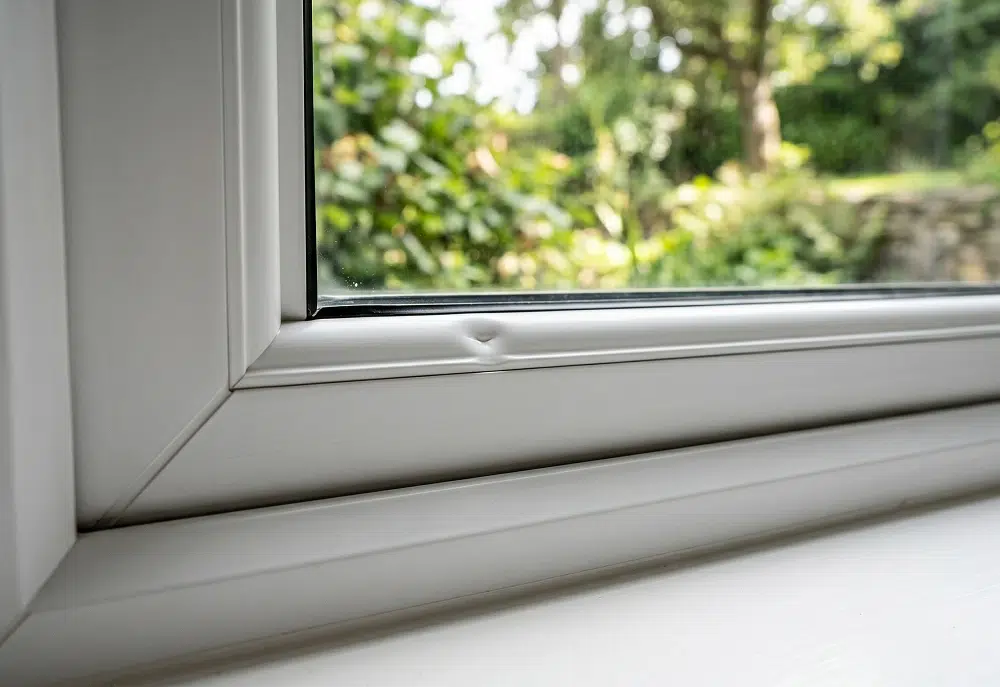
Dents are unique — you’re reshaping the vinyl back to its original form rather than filling or patching.
- Apply controlled heat: Hold the heat gun several inches from the surface and move it slowly across the dented area until the vinyl becomes warm and pliable, not bubbling.
- Reshape by hand: Use your fingers or a flat tool to gently push the dent back into shape before it cools.
- Let it cool naturally: Allow the vinyl to harden in its corrected position without rushing the process.
Fixing Surface Scratches
Surface scratches are mostly cosmetic but can make frames look worn and dated. They’re also the easiest fix in the bunch.
- Apply a polishing compound: Buff the scratched area in a circular motion with a vinyl-specific scratch remover and a soft cloth.
- Repeat if needed: Deeper scratches may need two or three passes before the surface evens out.
- Touch up with vinyl-safe paint if the color is uneven: If the scratch has exposed the lighter core material, apply a thin coat of matched vinyl-safe paint to finish.
Window Looking Worn or Drafty?
Get a free professional assessment — we’ll tell you exactly what needs fixing and what it’ll cost.
or call us(847) 557-9600
How to Replace a Frame in a Vinyl Window
When repair isn’t viable, full window frame replacement is the next step. The steps below make it manageable, with a result that’s both functional and visually appealing.
- Remove interior trim: Use a pry bar or putty knife to carefully take off the trim and molding around the window opening.
- Extract the parting stops: Remove the strips that anchor the window sashes in place.
- Lift out the sashes: Gently remove the sashes from the frame opening.
- Insulate the gaps: Fill sash pockets and gaps with insulation or expanding foam before installing the new frame.
- Clean the opening: Remove old adhesive, debris, and any remaining caulk from the rough opening.
- Verify measurements: Double-check the window dimensions to confirm the new frame will fit correctly.
- Apply caulk: Run a bead of caulk around the opening perimeter to create a proper seal.
- Set the new frame: Carefully position the window into the opening and verify it’s level and square.
- Fasten securely: Use the appropriate screws or fasteners to lock the frame in place.
Before installing anything new, check the surrounding caulk — cracked or missing caulk is one of the most overlooked causes of leaky windows and should be resealed while the area is open.
Should You Repair or Replace Your Vinyl Window Frame?
Whether you’re trying to figure out if you should repair or replace the window, the decision usually comes down to the extent of the damage, the structural condition of the frame, and the age of the window.
| Repair | Replace | |
|---|---|---|
| Damage Type | Surface-level: cracks, scratches, small holes, dents | Warped or bowed frame that no longer closes square |
| Frame Condition | Structurally sound, opens and locks properly | Rot or moisture has spread into surrounding wall structure |
| Glass Seal | Intact — no fogging between panes | Seal failure causing persistent condensation between panes |
| Window Age | Under 15 years with isolated issues | Over 20 years with multiple problems at once |
| Repair History | First occurrence of damage | Repeated repairs that haven’t held |
When the damage is limited and the frame is still sound, repair is almost always the right call — both for your budget and to avoid unnecessary waste.
How to Prevent Vinyl Window Frame Damage
Most vinyl frame problems are avoidable with routine attention.
- Inspect frames twice a year: Check for early cracks, caulk gaps, and signs of moisture — spring and fall are natural times for a quick scan.
- Reapply caulk when it starts to crack: Deteriorating caulk is the most common entry point for water before it reaches the frame material.
- Keep frames clean: Dirt sitting on vinyl long-term causes surface abrasions; a mild soap-and-water wash a few times a year is enough.
- Avoid pressure washing directly at frames: High-pressure water forces moisture behind the frame and degrades the seal over time.
- Address hardware issues early: A stiff crank or lock that doesn’t fully engage puts unnecessary stress on the frame with every use.
Vinyl is low-maintenance by design, but it’s not maintenance-free — a consistent routine prevents most of the damage that ends up needing repair.
Better Left Vinyl Window Repairs to a Professional
While DIY repairs often offer cost-effective and fulfilling results, there are instances when damages surpass the skills of an average homeowner. Considering a repair or replacement? If you’re in Illinois, Wisconsin, or Minnesota, don’t hesitate to reach out to Apex Window Werks. We have extensive service areas within these states to ensure you’re covered. Rest assured that we deliver top-notch services right to your doorstep. We offer a free estimate, so you can gauge the work and costs upfront. Act now for lasting solutions to all your vinyl window concerns!

Vinyl Frame Damage? Let's Take a Look.
Minor issues are often fixed in a single visit. Contact Apex Window Werks for a free assessment and same-day quote.