

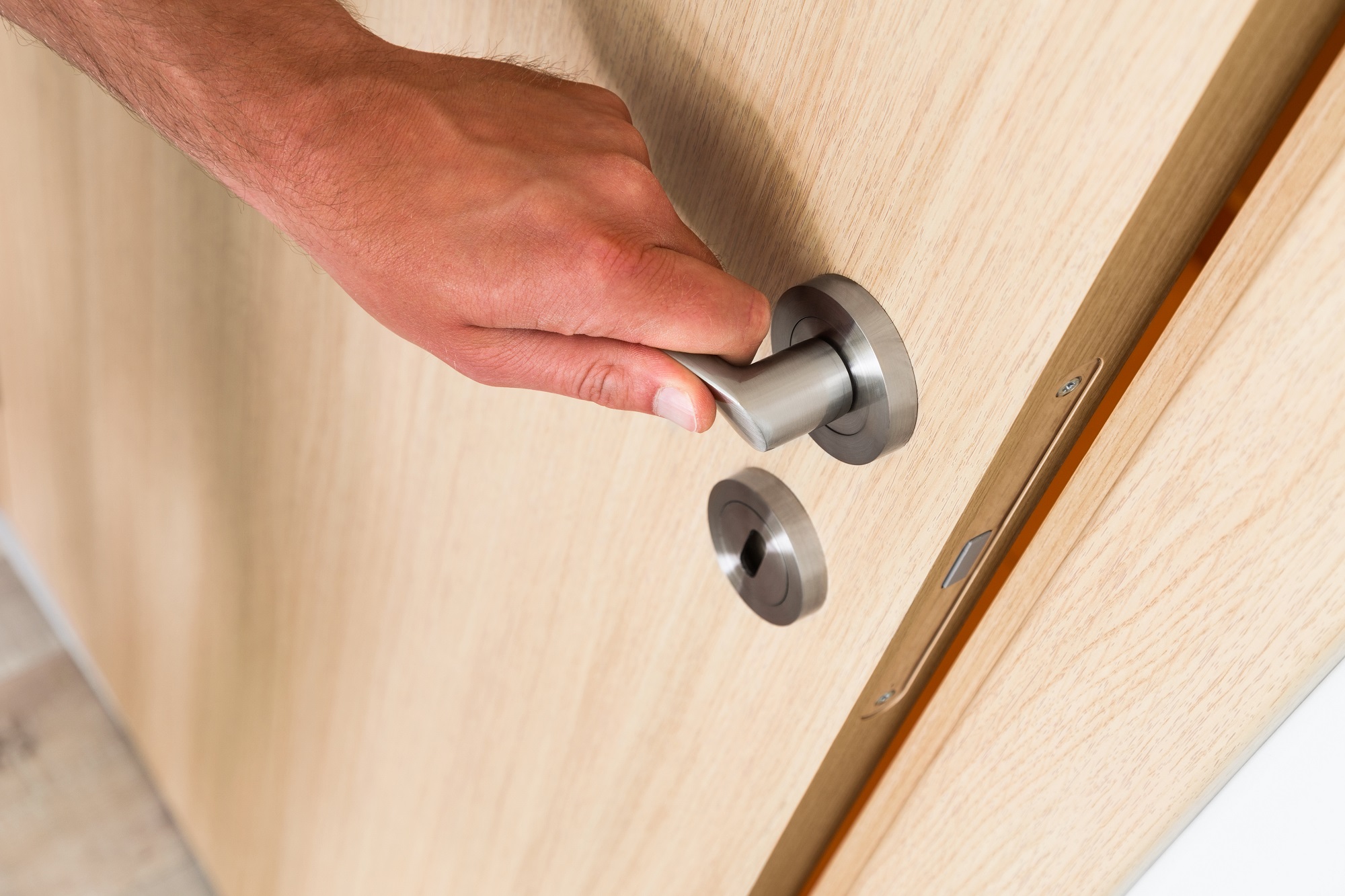
If you are wondering how to fix a drafty door, the repair usually starts with three basics: replacing worn weatherstripping, installing a properly fitted door sweep, and sealing gaps around the frame.
These drafty door solutions can help block cold air, improve comfort, and lower heating loss in Chicago and across the Midwest. When the problem runs deeper, Apex Window Werks provides door repair services that go beyond surface fixes.
Why Exterior Doors Start Letting Cold Air In
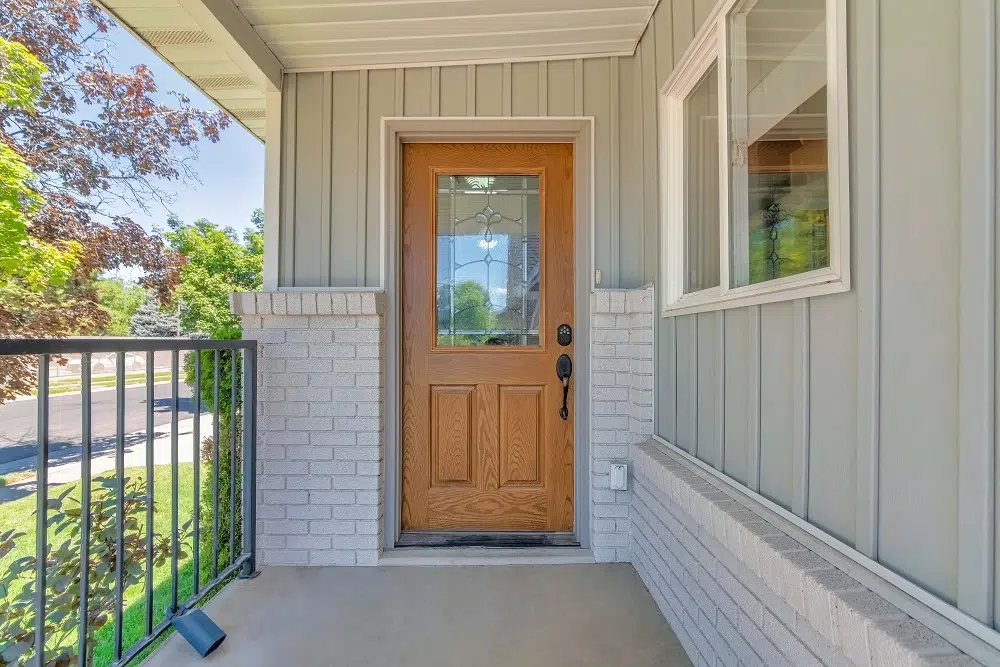
Older homes and hard winters can be rough on exterior doors. Frames shift, seals flatten, thresholds wear down, and small gaps become noticeable once temperatures drop.
The most common causes of a drafty exterior door are:
- Worn or compressed weatherstripping
- A damaged threshold or failing bottom seal
- Frame movement that creates uneven gaps
- Loose hinges that pull the slab out of the square
- Cracked or missing exterior caulk
In many cases, repair is enough. Replacement usually makes sense only when the slab, frame, or threshold is too damaged to hold a reliable seal.
How to Block Drafty Doors by Finding the Leak First
Pinpoint the leak before repairing. Drafts typically emerge from several small gaps rather than a single hole, causing major heat loss. Use these four tests to locate them.
- The hand test is the simplest starting point. On a cold day, run an open hand slowly around all four sides of the closed door. Even a small gap produces a noticeable temperature drop. Pay extra attention to corners, where weatherstripping ends often pull away first.
- The light test works well at night. Turn off all interior lights near the door and shine a flashlight along the exterior perimeter. If light bleeds through to the outside, air is moving through the same gap.
- The paper test checks compression. Slide a sheet of paper between the door and the jamb, then close the door normally. If the paper slides out without resistance, the weatherstripping is no longer creating a proper seal.
- Gap measurement provides the most useful data for repair planning. Measure the space between the slab and frame at the top, middle, and bottom of the latch side. If the gap changes from one point to another, the issue may involve hinge wear, alignment, or frame movement rather than seal failure alone.
ENERGY STAR lists drafts around a closed door and visible gaps around trim as common signs that air sealing is needed.
How to Fix a Drafty Door Step by Step
Once you know where the leak is, start with fit, then move to seals. That order makes the repair more accurate and helps new materials last longer.
Step 1: Square Up the Door
If the gap is wider at the top or bottom, check the hinges first. Tighten loose screws and replace stripped ones with longer screws that bite into solid wood. If needed, make a small strike plate adjustment so the door closes with even pressure.
Step 2: Refresh the Jamb Seal
When weatherstripping is flattened, cracked, or missing, outside air slips through easily.
- Remove the old strip
- Clean the surface
- Cut the new material to size
- Press or fasten it firmly in place
- Close the door and check that it seals without forcing it shut
Foam tape can help in small uneven areas, but for exterior doors, longer-lasting materials are usually a better fit.
Step 3: Seal the Bottom Gap
A worn or poorly fitted sweep can let in a surprising amount of cold air. Choose a sweep that matches the door style and threshold, cut it to width, and test it after installation. It should touch the threshold evenly without dragging too hard.
Step 4: Close Frame Gaps Outside
If the door fits well but air still gets in, inspect the exterior caulk line. Remove cracked caulk, apply fresh exterior-grade caulk, and let it cure fully before checking the door again.
If cold air keeps coming through after new weatherstripping and a door sweep, the problem may be the frame, threshold alignment, or the door slab itself.
or call us(847) 557-9600
How Much Does It Cost to Fix a Drafty Door?
If the draft is caused by old weatherstripping or a worn door sweep, the repair is usually low-cost. If the door is warped, out of alignment, or the threshold is damaged, the price goes up because new seals alone will not fix the problem.
For most exterior doors, rubber and silicone last longer than foam or felt, especially in cold weather.
Weatherstripping materials at a glance table
| Material | Best For | Usual lifespan | Typical Cost |
|---|---|---|---|
| Foam tape | Small gaps, quick fixes | 1–3 years | $5–$10 |
| Felt | Interior or low-use doors | 1–2 years | $5–$8 |
| Vinyl | Standard exterior doors | 3–5 years | $10–$20 |
| Rubber | Frequently used exterior doors | 5–8 years | $15–$30 |
| Silicone | Cold climates, longest-lasting option | 8–12 years | $20–$40 |
For Chicago-area homes facing hard winters, rubber or silicone weatherstripping outperforms foam and felt in long-term performance. Materials alone typically run around $18 per door for a standard replacement.
Here is how to match repair scope to budget:
- Under $50: basic weatherstripping or foam tape, plus a simple door sweep for a minor draft.
- $50–$150: better-grade weatherstripping, a sturdier sweep, and fresh exterior caulk for a more complete repair.
- Professional repair: worth considering when gaps are uneven, the door does not sit square, or drafts continue after new seals.
According to DOE weatherstripping guidance, sealing air leaks and adding insulation can reduce annual energy bills by up to 10%. For a Midwest home spending $2,000 per year on heating, that represents $200 in potential savings from proper door sealing alone.
Signs the Problem Runs Deeper Than a Bad Seal
DIY weatherstripping and door sweep installation resolve most minor drafts. Some situations point to structural problems that weatherstripping alone cannot fix.
Red flags that call for professional assessment:
- Visible daylight around the door frame even with new weatherstripping installed.
- The door slab is warped and does not sit flush against the stop.
- Rotten wood in the frame or threshold.
- Water intrusion at the base or corners of the door.
- Drafts that return within weeks of a full DIY repair.
- The threshold is cracked or has separated from the floor.
If you see any of those issues, it is worth getting the door inspected before spending more on temporary fixes.
A Simple Door Check Before Cold Weather Arrives
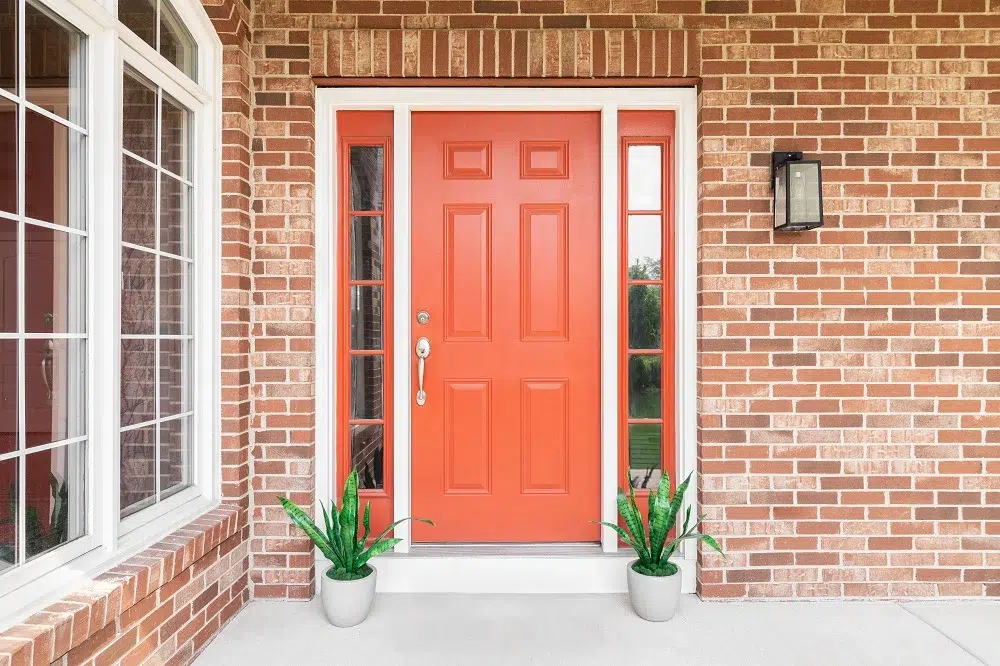
Many homeowners notice door drafts once the weather turns colder and the temperature difference between inside and outside becomes harder to ignore. Early fall is a good time to check the door for worn seals, small gaps, and other problems before those minor issues turn into steady cold-air leaks.
Annual door maintenance checklist:
- Inspect weatherstripping on all four sides for compression, cracking, or gaps.
- Check the door sweep for wear and confirm it meets the threshold evenly.
- Test all four corners with the paper test.
- Inspect exterior caulk for cracks or separation.
- Tighten hinge screws and test door alignment.
- Measure gaps at the top and bottom of the latch side.
A quick inspection like this can help catch small draft problems before they become bigger comfort and energy issues in winter.
Fix the Draft Now Before It Turns Into a Bigger Winter Problem
Most homeowners can fix minor air leaks with new weatherstripping, a properly fitted door sweep, and fresh exterior caulk. When you need a more complete approach, these drafty door solutions can help restore comfort and reduce heat loss. If you are still trying to figure out how to fix drafty doors that keep leaking air after DIY repairs, it may be time for a professional inspection.
Apex Window Werks brings repair-first expertise to every door problem across Chicago and the Midwest, backed by a limited lifetime warranty and fast turnaround. For doors that need more than a weekend fix, reach out to our team and let a technician review the problem directly.
FAQ
How do I know if my draft is coming from the door or the frame?
Start by testing different areas separately. If the air is strongest along the sides or top of the slab, the issue is often worn with weatherstripping or poor compression. If the draft seems to come from around the outer trim or casing, the problem may be gaps around the frame or failed exterior caulk. Testing with your hand, a flashlight, and a sheet of paper usually makes the source much easier to identify.
Can a door sweep really make a noticeable difference?
Yes, especially if the draft is strongest near the floor. A worn or uneven sweep can leave a large gap at the bottom edge, which is one of the most common places for cold air to enter. Replacing it with the right style and adjusting it properly can make the doorway feel much tighter right away.
Should I repair a drafty door or replace it?
Repair usually makes sense when the main issue is old seals, a worn sweep, loose hinges, or minor frame gaps. Replacement of materials becomes more reasonable when the slab is warped, the frame is badly damaged, the threshold is failing, or the door cannot hold a reliable seal anymore. The deciding factor is whether the opening can still be brought back into proper working condition.
Why does a draft continue after new weatherstripping?
If cold air keeps coming through after new weatherstripping is installed, the gap source is likely the threshold, the door sweep, or a misaligned slab. Check the bottom gap first, then test door alignment with the paper test on the hinge side. Persistent drafts after a full seal refresh usually indicate a frame or slab issue that benefits from professional evaluation.
Get a free estimate
Hire the window repair company you can trust.


