Window replacement decisions often begin with evaluating the frame material, since it affects insulation, maintenance needs, lifespan, and overall visual appeal. When comparing vinyl vs wood windows in a window replacement project, homeowners typically weigh the traditional look and craftsmanship of wood against the low-maintenance performance of modern vinyl.
At Apex Window Werks, we preserve the classic look of wood when it’s the right fit for the home, while also providing durable vinyl alternatives that meet contemporary performance expectations. A clear view of how each material performs in everyday conditions becomes an essential first step in selecting the most suitable option for your home.
What Are Wood Windows?
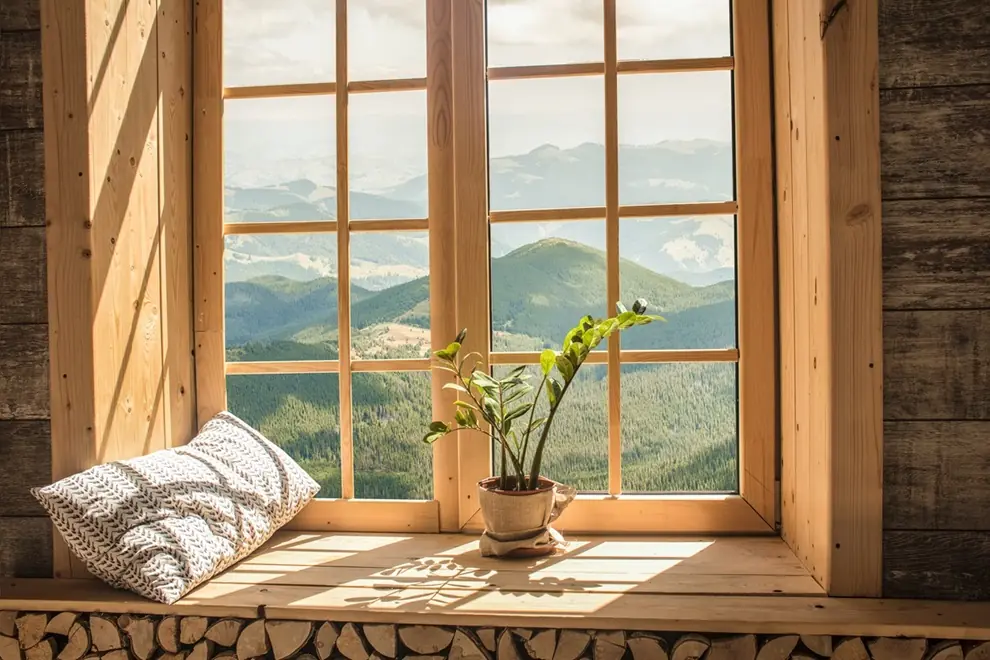
Wood windows remain a preferred choice for homeowners who value traditional craftsmanship, natural aesthetics, and strong insulating performance. Their solid wood frames offer warmth, depth, and architectural character that synthetic materials cannot fully replicate. Because wood can be shaped, stained, or painted in virtually any finish, it adapts well to historic homes, high-end renovations, and design-focused projects where authenticity matters.
- Appearance: Fully customizable; natural wood grain can be showcased or covered with any paint or stain color.
- Durability: Lifespan around 20 years; aluminum cladding significantly improves weather resistance.
- Energy efficiency: Excellent natural insulator, helping maintain indoor temperatures in both warm and cold seasons.
- Maintenance: Requires periodic repainting or resealing; unclad wood is vulnerable to moisture, rot, and warping.
- Cost: Higher material and labor costs; production is more intricate and generates more waste.
- Environmental impact: Generally more environmentally friendly; wood is renewable and easier to repurpose or recycle.
- Resale value: ROI typically 67–70%, especially strong in markets that value authentic architecture and traditional design.
Apex Window Werks frequently incorporates wood windows when a project prioritizes timeless style, architectural integrity, and detailed customization that enhances the overall look of the home.
What Are Vinyl Windows?
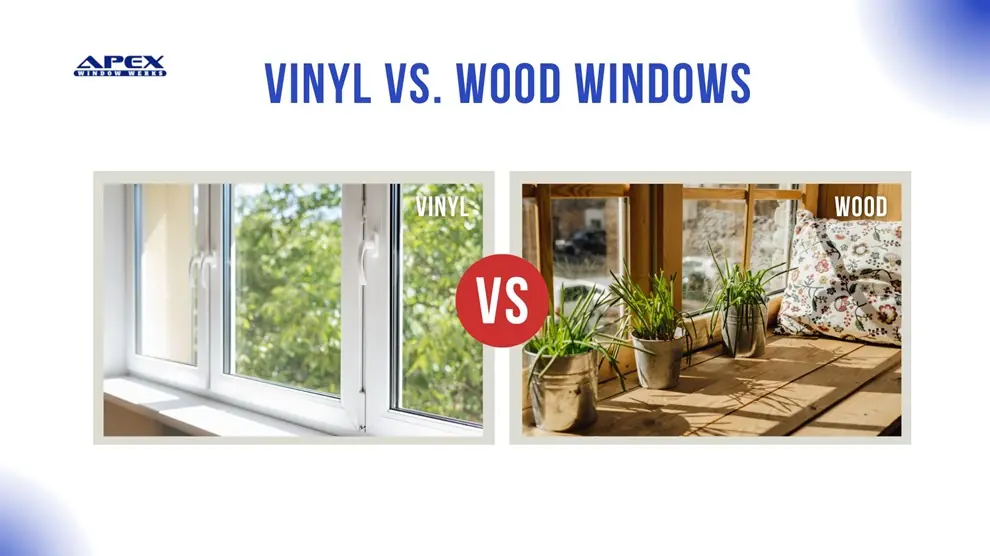
Vinyl replacement windows, crafted from polyvinyl chloride or PVC, stand out as a practical and economical choice in the window market. Homeowners often choose insulated vinyl windows when they want dependable energy efficiency without a major cost increase compared to other vinyl alternatives. Taken together, these considerations shape the core characteristics commonly associated with vinyl windows:
- Appearance: Offered mainly in standard tones like white and tan; premium deeper colors are possible but more costly.
- Durability: Generally last 30–40 years; high-quality vinyl windows withstand sun and weather better than low-grade alternatives.
- Energy efficiency: Hollow frames vary in performance; insulated or ENERGY STAR-certified units can rival the efficiency of wood.
- Maintenance: Require little upkeep; no repainting needed, occasional cleaning is sufficient.
- Cost: Typically 20–50% more affordable than wood due to streamlined, automated production and lower material cost.
- Environmental impact: PVC widow manufacturing produces more emissions; recycling is possible but requires specialized facilities.
- Resale value: ROI around 74%, attractive to buyers seeking modern, low-maintenance features.
At Apex Window Werks, vinyl systems are often recommended when a project prioritizes durability, cost efficiency, and minimal upkeep while still offering a clean, contemporary appearance.
Comparing the Pros and Cons of Wood vs. Vinyl Windows
Use the table below to quickly compare how wood and vinyl perform in the areas homeowners evaluate most often.
| Factor | Wood Windows | Vinyl Windows |
|---|---|---|
| Appearance | More versatile in appearance, can be painted any color, showcases wood grain. | Limited standard color options, premium for richer colors. |
| Durability | Lifespan of about 20 years, requires maintenance, vulnerable to elements if not clad. | Impressive durability, 30 to 40 years lifespan, less affected by weather. |
| Energy Efficiency | Naturally insulating, effective barrier against heat and cold. | Insulating, especially with filled hollow frames, ENERGY STAR-rated options. |
| Maintenance | Requires regular sealing and painting, more maintenance if not clad. | Low maintenance, resistant to moisture and temperature changes. |
| Cost | Generally more expensive, higher material and production costs. | 20% to 50% less expensive. |
| Environmental Impact | More eco-friendly, trees absorb CO2, recyclable at end of life. | Less eco-friendly in production, recyclable but less versatile at end of life. |
| Resale Value | High ROI (67% to 70%), enhances home value, preferred in classic/traditional markets. | Higher ROI (around 74%), appealing in contemporary markets. |
| Noise Reduction | Naturally good sound damping. | Depends on chamber design + glazing. |
Both materials offer clear advantages, but the right choice depends on your priorities. Wood delivers character and customization, while vinyl offers low maintenance and long-term value. Use our window material selection checklist to quickly compare options and decide what fits your project best.
DIY vs. Professional Window Installation
When it comes to window replacement or installation, the decision between professional services and DIY window installation can significantly impact the outcome of the project.
Professional Window Installation
For extensive projects, such as replacing all windows in a multi-level house, it’s advisable to enlist the expertise of a professional contractor. Professionals can execute the job swiftly and with precision, ensuring the windows are installed correctly and efficiently. It’s also important to consider that many new windows’ warranties may require professional installation to remain valid. Therefore, when budgeting for window replacement, especially for complex or large-scale projects, labor costs should be factored in, regardless of the frame material.
DIY Window Installation
If the project is limited to one or two ground-floor windows, DIY installation might be a viable option. Vinyl windows, in particular, are more suitable for DIY due to their lighter weight and greater flexibility, making them easier to fit into existing openings. Essential tools for this task would include a pry bar, utility knife, hammer, putty knife, power drill, caulk gun, caulk, spray foam insulation, and the window unit itself. DIY installers must ensure all gaps are properly sealed to prevent issues like water damage or increased utility bills due to air leaks.
Explore the wide range of options at Apex Window Werks.
or call us(847) 557-9600


Making the Right Choice for Your Home with Apex Window Werks
Your decision on whether to choose the classic elegance of wood or the practical efficiency of vinyl replacement windows will greatly depend on your specific needs, preferences, and the characteristics of your home. It’s crucial to align this choice with your long-term objectives and aspirations for your living space.
For homeowners in Illinois, Minnesota, Ohio, and Wisconsin, Apex Window Werks is here to guide you through the process. Not only are we seasoned experts in window installation and repair, but as window manufacturers, we have a deep understanding of the intricacies and nuances of both wood and vinyl windows.
Contact us today to start the journey of transforming your home with windows that blend style, function, and quality.
FAQ
Do I need to replace all my windows at once, or can I do it gradually?
Can I install new windows myself, or is professional installation required?
Is it safe to repaint vinyl windows if I want a different color?
Why do wood windows cost significantly more than vinyl?
How long should my new windows last, and what affects their lifespan?

Get a free estimate
Hire the window repair company you can trust.